
FIT 4 SERVICE · GUT HEALTH EDUCATION
What Is SIBO?
Understanding Small Intestinal Bacterial Overgrowth for Gut Health & Whole-Body Wellness
Your gut is supposed to be a place of balance — a healthy community of bacteria that help you digest food, absorb nutrients, and support your immune system. But sometimes that balance shifts, and bacteria begin to grow where they shouldn’t. That’s where SIBO comes in.
🌿 What Is SIBO?
SIBO stands for Small Intestinal Bacterial Overgrowth. It happens when too many bacteria — or the wrong kind — begin growing in the small intestine, a place that normally has very few bacteria. When this happens, digestion slows down, nutrients aren’t absorbed properly, and uncomfortable symptoms begin to show up.
- Medical grounding: SIBO is an imbalance of gut bacteria that disrupts digestion and nutrient absorption.
- It often develops when food or waste moves too slowly through the small intestine, creating a breeding ground for bacteria.
🌿 Common Symptoms of SIBO
SIBO can look like many other gut issues, which is why people often miss it. Symptoms may include:
- Bloating
- Gas
- Abdominal pain or discomfort
- Nausea
- Constipation or diarrhea
- Feeling full quickly
- Unintentional weight loss
- Fatigue
- Oily or floating stools (from poor fat absorption)
These symptoms can come and go — but they often worsen after eating certain foods.
🌿 What Causes SIBO?
SIBO doesn’t happen randomly. Something usually triggers it. Common causes include:
- Low stomach acid, often from long-term antacid or PPI use
- Slow gut motility (food not moving properly)
- Diabetes, hypothyroidism, IBS, or autoimmune conditions
- Scar tissue or structural issues in the small intestine
- Complications from abdominal surgery
When food sits too long in the small intestine, bacteria multiply — and that’s when symptoms begin.
🌿 Why SIBO Matters
Left untreated, SIBO can lead to:
- Malnutrition
- Vitamin deficiencies (especially B12)
- Poor absorption of fats, proteins, and carbohydrates
- Bone loss (from poor calcium absorption)
- Nervous system issues (from B12 deficiency)
This is why gut health is not just about digestion — it affects your whole body.
🌿 How SIBO Is Diagnosed
The most common test is a breath test, which measures hydrogen and methane gas produced by bacteria in the small intestine. If levels are high, it suggests bacterial overgrowth.
🌿 How SIBO Is Treated
- Clearing the Overgrowth. Doctors often use antibiotics or herbal antimicrobials to reduce excess bacteria.
- Supporting Digestion & Nutrient Absorption. This may include B12, digestive enzymes, or other supplements.
- Adjusting Diet. A temporary low-FODMAP diet or similar plan can help starve excess bacteria and reduce symptoms.
- Addressing the Root Cause. This may include improving gut motility, treating underlying conditions, or adjusting medications.
Low-FODMAP foods include:
🌿 How to Support a Healthy Gut — Fit 4 Service Style
Even after treatment, gut healing takes time. Here are gentle, sustainable steps:
- Eat whole, unprocessed foods
- Reduce sugar and refined carbs
- Support digestion with warm meals
- Stay hydrated
- Manage stress (it affects gut motility)
- Consider probiotics (if recommended by your provider)
- Move your body daily to support gut flow
Your gut is the foundation of your energy, immunity, and overall wellness — and healing it is one of the most powerful things you can do for your health.
🌿 Healthy Gut vs. SIBO Gut
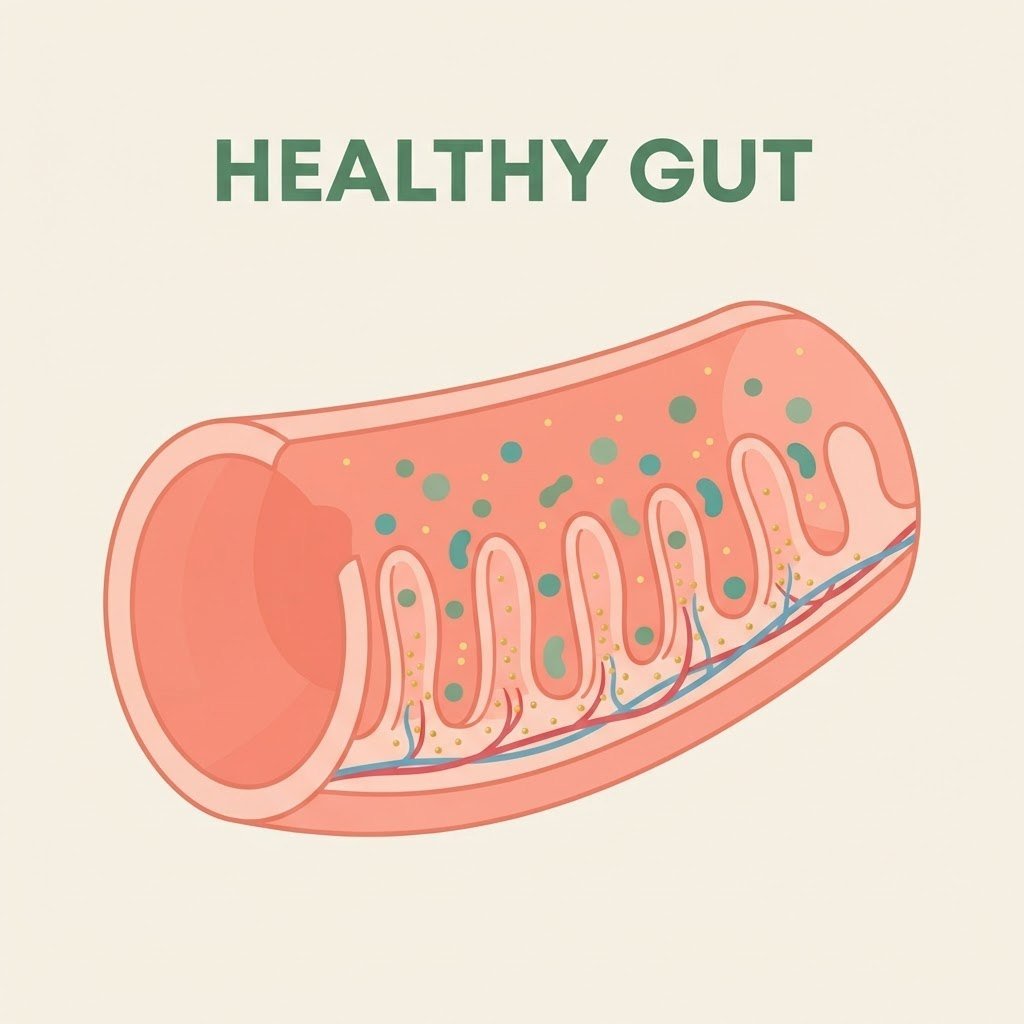

✓ HEALTHY GUT
- Balanced bacteria
- Smooth digestion
- Proper nutrient absorption
- Strong gut lining
⚠ SIBO GUT
- Excess bacteria in the small intestine
- Gas production
- Bloating and discomfort
- Poor nutrient absorption
- Irritated gut lining
This article is for education only and is not medical advice. Always discuss your symptoms — and any detox, supplement, or treatment — with your health professional before making changes.
Disclosure: our Detox link is an affiliate link. If you purchase through it, ReviveWell may earn a commission that supports JJM global missions — at no extra cost to you.